About Solenoid Switch Testing Machine
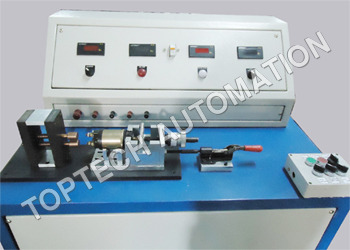
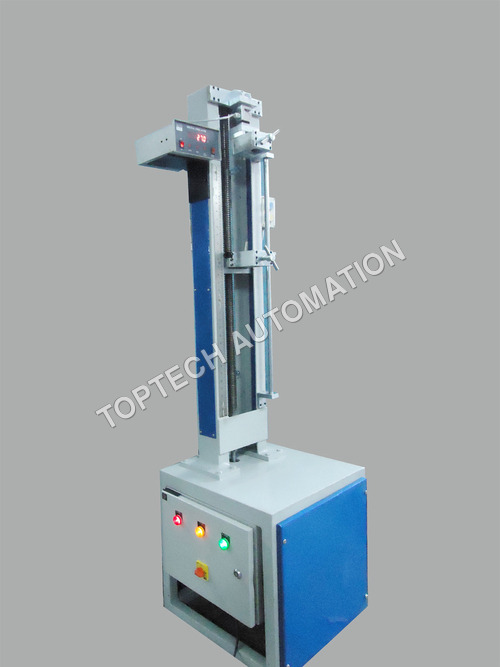
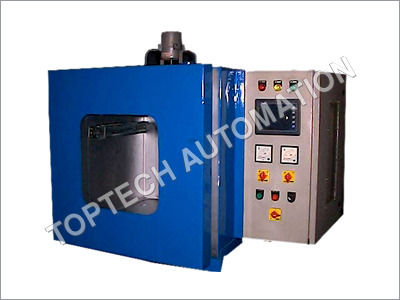
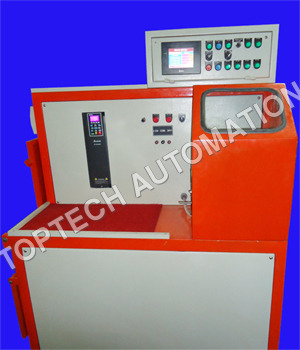
With continued investment in our infrastructure, we have been able to manufacture and supply optimum quality Solenoid Switch Testing Machine. Widely used for testing tensile strength and elongation of material like wires and cables, these components are carefully manufactured by our skilled professionals. The quality of products has continuously been at par with international standards that helps us to provide a premium array of industrial machines to patrons. Some features of this Solenoid Switch Testing Machine are given below:
- Accurate functionality
- Corrosion resistant
- Robust construction
- Low power consumption
Advanced PLC Digital ControlThe Solenoid Switch Testing Machine incorporates a digital PLC control system that streamlines operational efficiency and ensures consistent accuracy. With intuitive controls and programmable sequences, users can easily switch between manual or automatic test modes, accommodating diverse operational requirements in laboratory and industrial settings.
Precision Testing For Automotive ApplicationsThis versatile unit is designed specifically for testing automotive and electric solenoid switches. By allowing voltage selection among 12V, 24V, and 48V, it adapts to various solenoid configurations. Its high accuracy and diagnostic capabilities help identify performance issues quickly, improving quality assurance in automotive manufacturing and maintenance.
Robust and User-Friendly DesignBuilt to withstand industrial use, the machine features a medium bench-type structure with convenient dimensions. The adjustable stroke enhances flexibility for different solenoid sizes, while the clear pass/fail interface and diagnostic feedback promote straightforward operation. Finished in industrial grey and blue, it blends functionality with durability.
FAQs of Solenoid Switch Testing Machine:
Q: How does the Solenoid Switch Testing Machine operate and what are its main control features?
A: This machine operates using a digital PLC control system, allowing users to start tests either manually or automatically. Operators can select the required test voltage (12V, 24V, or 48V) and adjust the stroke up to 50mm. The outcome is displayed via a dedicated interface that provides pass, fail, or detailed diagnostic data for each solenoid switch tested.
Q: What types of solenoid switches can be tested and where is the machine typically used?
A: The machine is designed to test a wide range of automotive and electric solenoid switches. Its adjustable voltage and stroke make it suitable for various switch sizes and styles commonly found in automotive manufacturing, repair workshops, quality control labs, and electrical component suppliers.
Q: When and why should I use this testing machine in my process?
A: You should use the Solenoid Switch Testing Machine whenever you need reliable verification of solenoid switch function, particularly during quality assurance, incoming inspection, or after maintenance. Its high test accuracy (up to 99%) and diagnostic output help reduce the risk of faulty components, ensuring top-notch performance and safety in final products.
Q: What benefits does the machine offer compared to manual test methods?
A: This equipment provides automated, consistent, and highly accurate results, eliminating the variability found in manual testing. Its digital interface accelerates the testing process, delivers instant feedback including pass/fail and diagnostic data, and allows for increased productivity and reduced human error.
Q: How do I integrate the testing machine into my existing laboratory or workshop setup?
A: The machine is designed as a medium-sized bench type unit, measuring 900mm x 450mm x 600mm, with a weight of about 68kg. It requires a 220V AC power supply and sufficient workspace for installation. Its user-friendly controls and interface ensure a smooth integration into laboratory benches or workshop floors.
Q: What process does the machine follow during solenoid switch testing?
A: During testing, the operator selects or sets the desired voltage and stroke, places the solenoid switch in the test fixture, and initiates the test either manually or automatically. The PLC system performs the test, monitoring performance against set criteria, and displays a pass, fail, or detailed diagnostic report based on the results.





 Send Inquiry


 Send Inquiry